

If you’re here, it means that you have a student with deafblindness in your classroom, on your caseload, or in your district. Yay and welcome. In this post, we will go over some primary considerations to get your started on a path for success for both you and your student.
Deafblindness is a unique and complex condition that impacts both hearing and vision. For parents and educators, it’s important to have a basic understanding of what deafblindness is, how it affects individuals, and how to provide support.
Deafblindness can have a variety of causes, including genetic disorders, infections, or injuries. It can also range in severity from mild to profound. Deafblindness occurs along a spectrum, combining both visual impairment and hearing loss. Either sensory loss might be mild/moderate/severe. Individuals with deafblindness may have difficulty with communication, mobility, and accessing information because the two main learning channels – vision and hearing – are compromised.
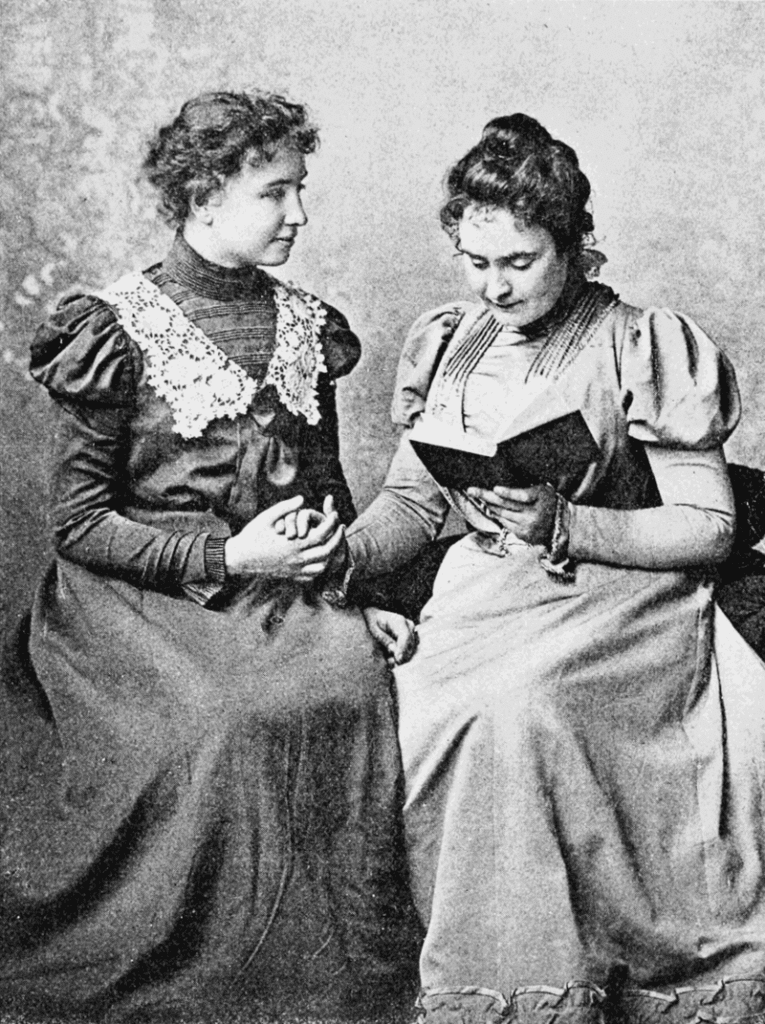
As a parent or educator, it’s important to work closely with individuals with deafblindness to provide the support they need to succeed. This may include providing access to assistive technology, such as hearing aids or braille displays, and modifying teaching techniques to better suit the individual’s learning style.
It’s also important to ensure that the individual is fully included in all aspects of school and social activities, and that they have the support they need to fully participate.
Teachers of the blind (TVIs) can help deafblind students learn to read braille, understand concepts e.g., “oatmeal”, “cow”, or “Italy” that they may have never experienced before, present themselves in socially acceptable ways, and be successful in their academic and personal lives.
Orientation and Mobility (O&M) instructors will teach the deafblind child how to move and navigate through the world. Deafblind children typically have a difficult time exploring space beyond their reach, and O&M instructors can teach them safe methods for moving outside their bubble.
Interveners are bridges between the visual and auditory world and the Deafblind child. They interpret what’s going on around the child into ASL or other communication comprehensible to the child. They are critical in day to day interactions with teachers and other students. They are with the student all day to make sure they are in the least restrictive environment at all times.
Deaf and Hard of Hearing (DHH) professionals work with the child to insure they have appropriate hearing devices and accommodations in the classroom.
Overall, understanding the unique challenges it presents is essential for parents and educators in providing a free appropriate education in the least restrictive environment that will create successful deafblind adults.
We offer a wide range of services to support students with the goal of making education accessible to all!

