

If you’re a teacher who’s new to working with a student with a visual impairment, it can be challenging to know where to start. Here are some tips and ideas for teaching blind students to help you get started:
First and foremost, it’s important to establish a strong relationship with the student and their family. Take the time to learn about their needs, interests, and preferences, and work together to develop a plan for meeting those needs in the classroom.
Review the IEP and the Functional Vision Assessment; this will give you valuable information about the services and accommodations your student needs in the classroom. Introduce yourself to the vision team – the TVI (Teacher of Students with Visual Impairments) and O&M (Orientation and Mobility Specialist). They will be able to support you and your student in the classroom.
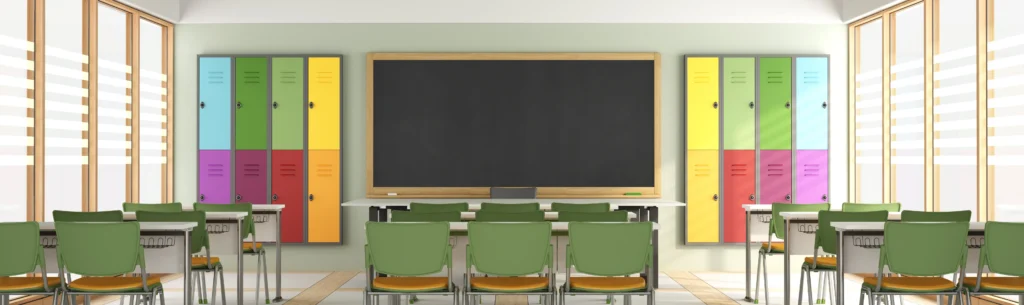
Next, consider the physical environment of your classroom. Make sure that there is enough space for the student to move around freely, and remove any obstacles or hazards that may pose a safety risk. You may also need to make adjustments to lighting, seating, and other aspects of the classroom to ensure that the student can access the materials and information they need.
When it comes to instructional materials, there are many options available for students who are blind. Braille textbooks and other materials may be necessary. Additionally, there are a variety of assistive technologies available that can help students to access and engage with digital content.
Finally, don’t be afraid to ask for help and support as you navigate this new territory. Reach out to your student’s TVI and O&M, who have experience working with blind students, and seek out professional development opportunities to help you build your skills and knowledge.
By taking the time to learn about the unique needs of blind students and working collaboratively to meet those needs, you can help to create a positive and inclusive learning environment for all students in your classroom.

