
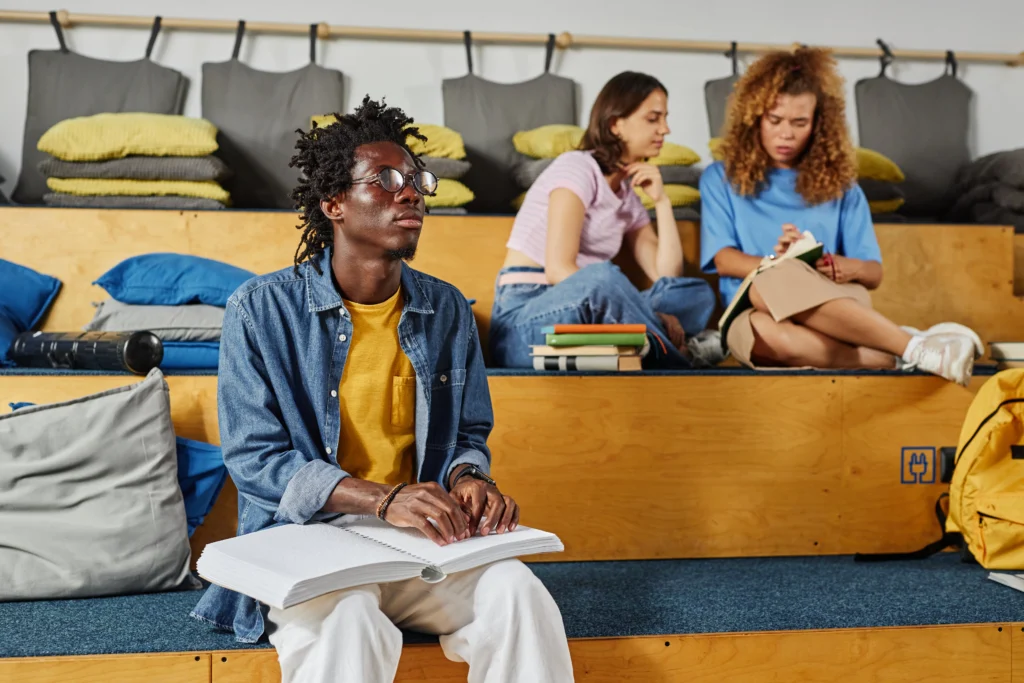
Deafblindness is a unique sensory disability that can present many challenges for students in the classroom. This blog will help you to better understand how to support a student with deafblindness.
Deafblindness occurs along a spectrum, and is highly individualized as to both the levels of sensory losses and how those losses affect the student. For example, a student might have very limited vision, but prefer to use their vision to learn regardless. A good place to start when learning about your student’s needs is to review the FVA/LMA, which will describe both the degree of sensory losses and how those losses affect your student.
As a special education team member, it is important to support these students and ensure they have equal access to education. Here are five ways to support a student with deafblindness in the classroom:
Communication – Communication is key when working with a student with deafblindness. Work with the student, their family, and their support team to determine the best communication method for the student. This may include sign language, tactile communication, or other forms of assistive technology.

Environment – Creating a safe and supportive environment is essential. Make sure the classroom is set up in a way that is accessible and comfortable for the student. This may include ensuring that the lighting is adequate, minimizing background noise, and making sure that the student’s assistive technology is readily available.
Assistive Technology – Assistive technology can play a critical role in helping students with deafblindness access education. Work with the student’s team to identify and provide the necessary assistive technology such as Braille displays, screen readers, and text-to-speech software.
Instructional Strategies – When designing instructional strategies for students with deafblindness, it’s important to consider their unique needs. Use multisensory instructional strategies that engage multiple senses, such as using tactile materials, real-life objects, and hands-on activities. We would be delighted to talk to you about some great instructional strategies. SBES offers a wide variety of supportive services.
Collaboration – Collaboration is essential when working with students with deafblindness. Work closely with the student’s team, including the family, teachers, therapists, and other professionals to ensure that the student’s needs are being met in all aspects of their education.
In conclusion, supporting a student with deafblindness in the classroom requires a collaborative effort and a commitment to meeting the student’s unique needs. By focusing on communication, environment, assistive technology, instructional strategies, and collaboration, we can help students with deafblindness succeed in the classroom and beyond.
Make sure to take a look at some of our other posts about how to support a student with deafblindness. We would be delighted to partner with you and help.

